Vegetables in Ukrainian: word list with pictures
30 words · tap 🔊 to hear each one in Ukrainian.
| Picture | English | Ukrainian | Say it | Listen |
|---|---|---|---|---|
 | Potato | картопля | kartoplia | |
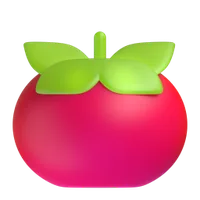 | Tomato | помідор | pomidor | |
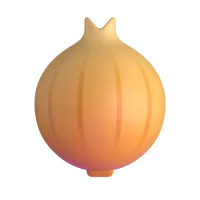 | Onion | цибуля | tsybulia | |
 | Carrot | морква | morkva | |
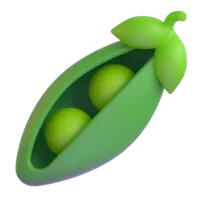 | Peas | горошок | horoshok | |
 | Cucumber | огірок | ohirok | |
 | Brinjal | баклажан | baklazhan | |
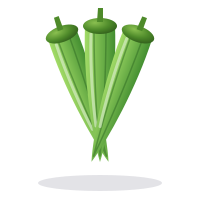 | Okra | бамія | bamiia | |
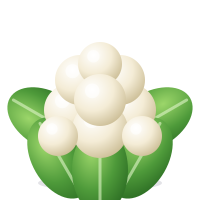 | Cauliflower | цвітна капуста | tsvitna kapusta | |
 | Cabbage | капуста | kapusta | |
 | Bottle Gourd | лауки | lauky | |
 | Spinach | шпинат | shpynat | |
 | Pumpkin | гарбуз | harbuz | |
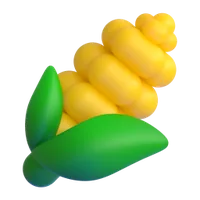 | Corn | кукурудза | kukurudza | |
 | Capsicum | солодкий перець | solodkyi perets | |
 | Chilli | гострий перець | hostryi perets | |
 | Garlic | часник | chasnyk | |
 | Ginger | імбир | imbyr | |
 | Broccoli | броколі | brokoli | |
 | Mushroom | гриб | hryb | |
 | Sweet Potato | батат | batat | |
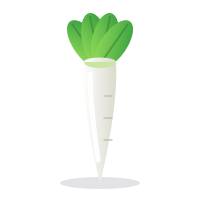 | Radish | редиска | redyska | |
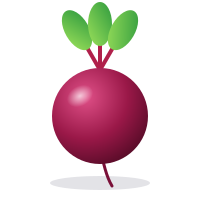 | Beetroot | буряк | buriak | |
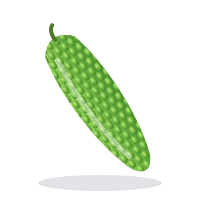 | Bitter Gourd | карела | karela | |
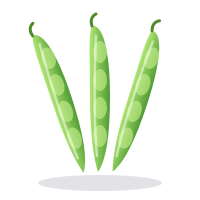 | Green Beans | стручкова квасоля | struchkova kvasolia | |
 | Coriander | кінза | kinza | |
 | Drumstick | моринга | morynha | |
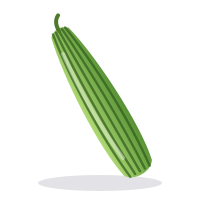 | Ridge Gourd | люфа | liufa | |
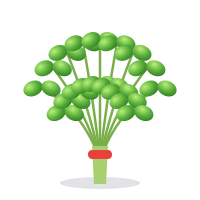 | Fenugreek Leaves | пажитник | pazhytnyk | |
 | Raw Banana | зелений банан | zelenyi banan |
Vegetables name in Ukrainian connects your child with a big part of Ukrainian family life: the home vegetable garden and a pot of borscht on the stove. This page has 30 vegetables with pictures and clear audio, from картопля (potato), буряк (beetroot) and капуста (cabbage) to гарбуз (pumpkin), кукурудза (corn) and броколі. Tap a picture to hear the name in Ukrainian and English, then let Golu ask for vegetables in Find it.
Borscht vegetables: a first set to learn
Ukrainian borscht (борщ) is a wonderful vocabulary lesson in one pot. It is made with буряк (beetroot), капуста (cabbage), картопля (potato), морква (carrot) and цибуля (onion), often with помідор (tomato) and a little часник (garlic). Every family has its own recipe. Let your child hand you each washed vegetable and name it as it goes in. The deep red colour of beetroot makes a great link to colours in Ukrainian.
Vegetables from the garden
Many Ukrainian families grow vegetables in a город, a kitchen garden beside the house or at a country plot. Children help plant огірок (cucumber), горошок (peas), редиска (radish), кукурудза and big orange гарбуз. Гарбуз is also the picture word for Г on the Ukrainian alphabet cards, and цибуля is the word for Ц. Sunflowers often grow along the fence, and roasted sunflower seeds are a favourite snack.
The Turnip: a story to act out
The folk tale Ріпка (The Turnip) is loved across the region. Grandpa plants a turnip that grows huge. He pulls and cannot pull it out, so Grandma helps, then the granddaughter, the dog, the cat and finally a tiny mouse, and together they do it. Act it out with the whole family holding on to each other. Children learn family words, animal words and the lesson that even the smallest helper matters.
Vegetables from India and warmer countries
Our set includes vegetables common in India, so a few Ukrainian names are descriptive or borrowed. баклажан (aubergine or brinjal) and бамія (okra) are known in Ukraine. лауки (bottle gourd), моринга (drumstick) and люфа (ridge gourd) are borrowed names. Bitter gourd is карела, raw banana is зелений банан, and sweet pepper is солодкий перець, while chilli is гострий перець, "sharp pepper". For families living in India, these cards link daily cooking with Ukrainian.
How to teach vegetable names at home
- Shopping list. Draw three vegetables; your child finds them in the shop and names them in Ukrainian.
- Colour sort. Red помідор, orange морква, green огірок, purple буряк.
- Count before cooking. "Скільки картоплин?" Count with numbers in Ukrainian.
- Grow one. An onion in a glass of water grows green shoots in a few days.
- Taste words. Talk about crunchy морква, juicy огірок and sweet горошок.
Fussy eater? Let your child choose, wash and name the vegetable first. Children taste food they helped with more often. Never force a bite; saying the name is already progress.
What to expect, and tips for families abroad
At 2-3, learn five vegetables you eat often. At 3-4, add colours and the Ріпка story. At 5-6, children can try reading short words like гриб and буряк syllable by syllable. Abroad, cook borscht together and keep kitchen talk in Ukrainian, even if the vegetables come from a supermarket in Warsaw, Berlin or Toronto. Compare the words with vegetables in Russian (potato is картошка there) or learn English and Hindi names on vegetables name.
Vegetables through the seasons
In Ukrainian villages and towns, the year follows the garden. Spring is for planting картопля and sowing редиска and горошок. Summer brings crunchy огірок and ripe помідор, often pickled in jars for winter. Autumn is harvest time, when families dig potatoes together and pile up big гарбуз and буряк. Talk with your child about which season each vegetable grows in, and look at what is fresh at your local market this month, wherever you live.
Овочі для дітей українською
На цій сторінці 30 овочів із малюнками та звуком: картопля, буряк, капуста, морква, цибуля, гарбуз і багато інших. Натисніть на малюнок, і дитина почує слово українською та англійською.
Варіть борщ разом із дитиною і називайте кожен овоч. Прочитайте казку «Ріпка» та зіграйте її всією родиною. Якщо у вас є город, дайте дитині маленьку власну грядку.
How to use this page at home
Say it, then find it
Play for a few minutes, then look for the same thing away from the screen: ukrainian words on the shelf, in the kitchen, on the way to school. A child learns a word properly when they meet it twice, once on the screen and once in their hand.
Ten minutes is enough
Short and happy beats long and tired. Stop while your child still wants more, and come back tomorrow: the same page on five short days teaches far more than one long sitting. Nothing here is scored, so there is no reason to push.
Use both languages
Tap the language button at the top to hear the words in your home language first and the second language after. Hearing the same picture named in two languages is one of the few things research agrees builds attention as well as vocabulary.