Vegetables in Russian: word list with pictures
30 words · tap 🔊 to hear each one in Russian.
| Picture | English | Russian | Say it | Listen |
|---|---|---|---|---|
 | Potato | Картошка | Kartoshka | |
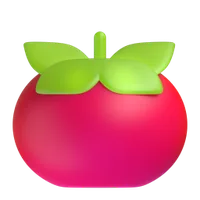 | Tomato | Помидор | Pomidor | |
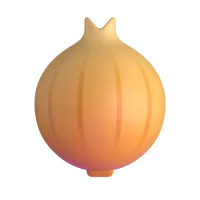 | Onion | Лук | Luk | |
 | Carrot | Морковка | Morkovka | |
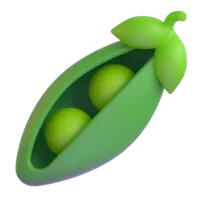 | Peas | Горошек | Goroshek | |
 | Cucumber | Огурец | Ogurets | |
 | Brinjal | Баклажан | Baklazhan | |
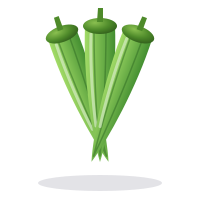 | Okra | Бамия | Bamiya | |
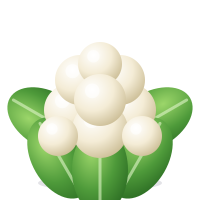 | Cauliflower | Цветная капуста | Tsvetnaya kapusta | |
 | Cabbage | Капуста | Kapusta | |
 | Bottle Gourd | Лауки | Lauki | |
 | Spinach | Шпинат | Shpinat | |
 | Pumpkin | Тыква | Tykva | |
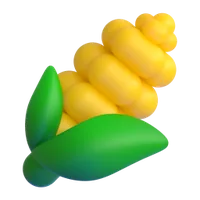 | Corn | Кукуруза | Kukuruza | |
 | Capsicum | Перец | Perets | |
 | Chilli | Острый перчик | Ostryy perchik | |
 | Garlic | Чеснок | Chesnok | |
 | Ginger | Имбирь | Imbir | |
 | Broccoli | Брокколи | Brokkoli | |
 | Mushroom | Гриб | Grib | |
 | Sweet Potato | Батат | Batat | |
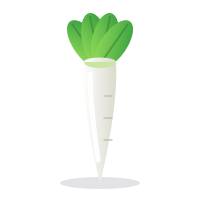 | Radish | Редиска | Rediska | |
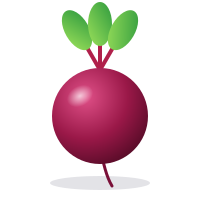 | Beetroot | Свёкла | Svyokla | |
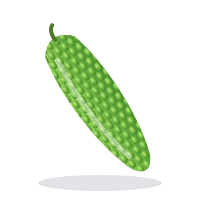 | Bitter Gourd | Горькая тыква | Gorkaya tykva | |
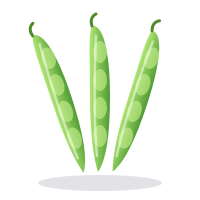 | Green Beans | Стручковая фасоль | Struchkovaya fasol | |
 | Coriander | Кинза | Kinza | |
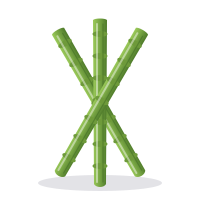 | Drumstick | Моринга | Moringa | |
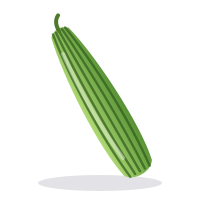 | Ridge Gourd | Люфа | Lyufa | |
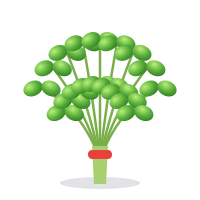 | Fenugreek Leaves | Пажитник | Pazhitnik | |
 | Raw Banana | Зелёный банан | Zelyonyy banan |
Vegetables name in Russian brings together two things Russian-speaking children know well: the family vegetable garden and a warm bowl of soup. This page has 30 vegetables with pictures and clear audio, from картошка (potato), морковка (carrot) and капуста (cabbage) to брокколи, гриб (mushroom) and тыква (pumpkin). Tap a picture to hear the name in Russian and English, then let Golu ask for vegetables in Find it.
Garden vegetables Russian children know
Many families spend summer weekends at the дача, where children help water beds of огурец (cucumber), помидор (tomato), картошка, морковка, редиска (radish), лук (onion), чеснок (garlic) and горошек (peas). Pulling a carrot or picking sweet peas straight from the pod is the best vocabulary lesson there is. Notice that морковка, картошка and редиска are the friendly everyday forms that people use at home; in a shop you may also see морковь and картофель.
The Giant Turnip: a vegetable story for every child
Almost every Russian-speaking child knows Репка. Grandpa plants a turnip, it grows enormous, and he cannot pull it out. Grandma helps, then the granddaughter, the dog, the cat, and finally a tiny mouse, and together they pull it out. The story repeats one line, "Тянут-потянут, вытянуть не могут" ("They pull and pull, but cannot pull it out"), so children join in quickly. Act it out with your family holding each other's waists, and you have a vegetable lesson, a counting game and a lesson about teamwork in one.
Soup vegetables: borscht and shchi
Soup is part of daily life across the region. Borscht uses свёкла (beetroot), капуста, картошка, морковка and лук; cabbage soup (щи) uses many of the same. Let your child put the washed vegetables into the pot one by one while you say their names. A beetroot's deep red colour always gets attention, and the colour words are ready on the colours in Russian page.
Mushrooms and the forest
Going into the forest to pick грибы (mushrooms) is a much-loved family tradition. Гриб is also the picture word for the letter Г on the Russian alphabet cards. Teach one safety rule with it: children never pick or eat a wild mushroom without a grown-up checking it first.
Vegetables from India and warmer countries
Our vegetable set includes vegetables common in India, so some Russian names are borrowed or descriptive. Баклажан (brinjal or aubergine) and бамия (okra) are known in Russia, while лауки (bottle gourd), моринга (drumstick) and люфа (ridge gourd) are less familiar. Bitter gourd is горькая тыква, "bitter pumpkin", and raw banana is зелёный банан. For families living in India, these cards link home cooking with the Russian language.
How to teach vegetable names at home
- Shopping list game. Draw three vegetables; your child finds them in the shop and names them in Russian.
- Colour sort. Group vegetables by colour: red помидор, orange морковка, green огурец.
- Count and chop. "Сколько картошек?" Count them before cooking, using numbers in Russian.
- Grow one. A pot of лук on the windowsill grows green shoots in a week.
Picky eater? Let your child name, wash and "choose" a vegetable first. Children are more likely to taste food they helped prepare. Never force a bite; naming it is already a win.
At 2-3, learn five vegetables you eat often. At 3-4, add colours and the Repka story. At 5-6, try reading short words like лук, гриб, горошек. For English and Hindi names see vegetables name, and compare with vegetables in Ukrainian, where the potato is картопля.
Tips for families abroad
If you live outside Russia, your local market may sell vegetables your grandparents never saw, and miss some you grew up with. Use that as a talking point: "In Grandma's garden there is свёкла; here we found батат!" Keep cooking time in Russian, and let your child call out each vegetable as it goes into the pot. A windowsill pot of лук or горошек works anywhere in the world.
Овощи для детей с картинками
На этой странице 30 овощей с картинками и звуком: картошка, морковка, капуста, огурец, помидор, свёкла, тыква и другие. Нажмите на картинку, и ребёнок услышит слово по-русски и по-английски.
Прочитайте вместе сказку «Репка» и сыграйте её всей семьёй. Готовьте суп вместе с ребёнком и называйте каждый овощ. Если у вас есть дача или огород, дайте ребёнку свою маленькую грядку.
How to use this page at home
Say it, then find it
Play for a few minutes, then look for the same thing away from the screen: russian words on the shelf, in the kitchen, on the way to school. A child learns a word properly when they meet it twice, once on the screen and once in their hand.
Ten minutes is enough
Short and happy beats long and tired. Stop while your child still wants more, and come back tomorrow: the same page on five short days teaches far more than one long sitting. Nothing here is scored, so there is no reason to push.
Use both languages
Tap the language button at the top to hear the words in your home language first and the second language after. Hearing the same picture named in two languages is one of the few things research agrees builds attention as well as vocabulary.