Body parts in Gujarati: word list with pictures
30 words · tap 🔊 to hear each one in Gujarati.
| Picture | English | Gujarati | Say it | Listen |
|---|---|---|---|---|
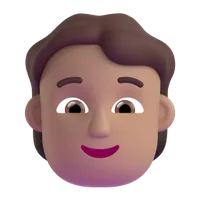 | Head | માથું | maathu | |
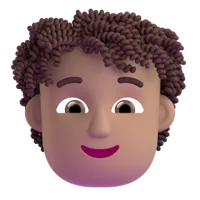 | Hair | વાળ | vaal | |
 | Face | ચહેરો | chahero | |
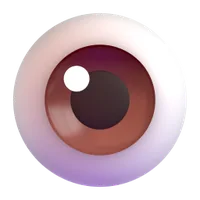 | Eye | આંખ | aankh | |
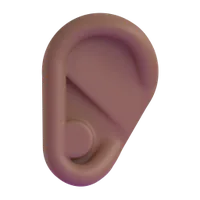 | Ear | કાન | kaan | |
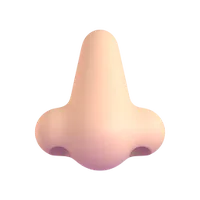 | Nose | નાક | naak | |
 | Mouth | મોઢું | modhu | |
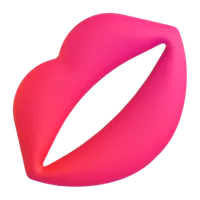 | Lips | હોઠ | hoth | |
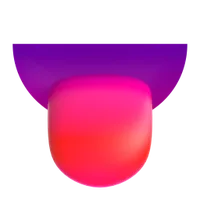 | Tongue | જીભ | jibh | |
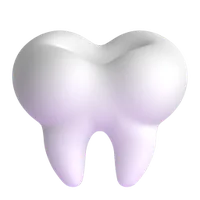 | Teeth | દાંત | daant | |
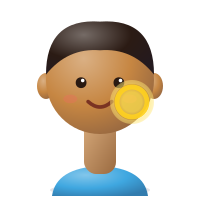 | Cheek | ગાલ | gaal | |
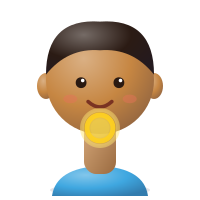 | Chin | દાઢી | daadhi | |
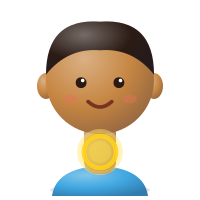 | Neck | ડોક | dok | |
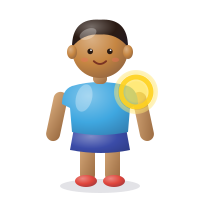 | Shoulder | ખભો | khabho | |
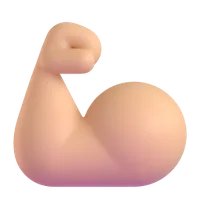 | Arm | હાથ | haath | |
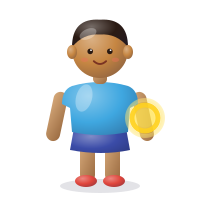 | Elbow | કોણી | koni | |
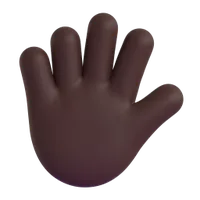 | Hand | હથેળી | hatheli | |
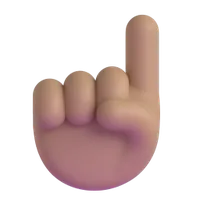 | Finger | આંગળી | aangli | |
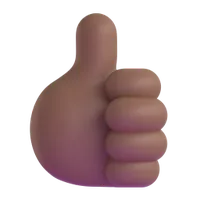 | Thumb | અંગૂઠો | anguthho | |
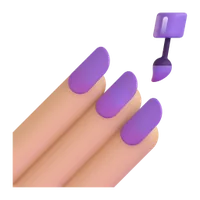 | Nail | નખ | nakh | |
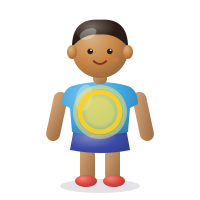 | Tummy | પેટ | pet | |
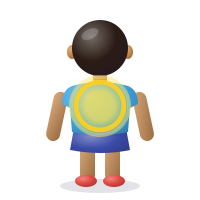 | Back | પીઠ | pith | |
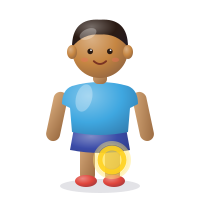 | Knee | ઘૂંટણ | ghuntan | |
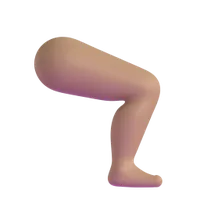 | Leg | પગ | pag | |
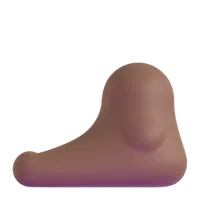 | Foot | પગનું તળિયું | pagnu taliyu | |
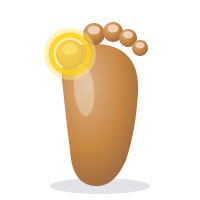 | Toe | પગની આંગળી | pagni aangli | |
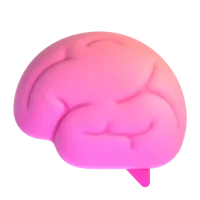 | Brain | મગજ | magaj | |
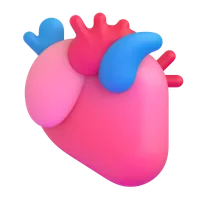 | Heart | હૃદય | hriday | |
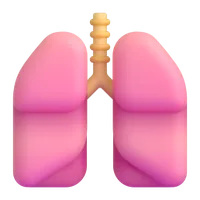 | Lungs | ફેફસાં | fefsaa | |
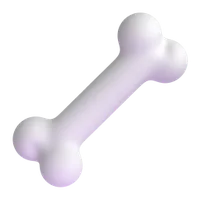 | Bones | હાડકાં | haadkaa |
Body parts name in Gujarati are words children learn best by moving: touch your nose, clap your hands, stamp your feet. This page has 30 body parts with pictures and clear audio in Gujarati and English, from માથું (māthuṃ, head), આંખ (āṅkh, eye) and નાક (nāk, nose) to હાથ (hāth, arm), પગ (pag, leg) and હૃદય (hṛday, heart). Tap a picture to hear its name, then play Find it.
Parts of the face in Gujarati
Start in front of a mirror: ચહેરો (chahero, face), આંખ (eye), કાન (kān, ear), નાક (nose), મોઢું (moḍhuṃ, mouth), હોઠ (hoṭh, lips), દાંત (dānt, teeth), જીભ (jībh, tongue), ગાલ (gāl, cheek), દાઢી (dāḍhī, chin) and વાળ (vāḷ, hair). Ask તારું નાક ક્યાં છે? (tāruṃ nāk kyāṃ chhe?, where is your nose?) and let your child point. Then swap and let them ask you.
A fun note: દાઢી means both chin and beard, so a child may giggle when Dada's beard and their own chin share a word.
Haath and pag: bigger words than in English
Gujarati often uses one word where English uses two. હાથ (hāth) means the whole arm and hand, so the game uses it for "arm", and uses હથેળી (hatheḷī, palm) for "hand". Likewise પગ (pag) means leg and foot together; the sole of the foot is પગનું તળિયું (pagnuṃ taḷiyuṃ), and toes are પગની આંગળી, "fingers of the foot". In daily speech, a Gujarati parent will say હાથ ધોઈ લે (wash your hands) and પગ લૂછી લે (wipe your feet), using hāth and pag. Use the everyday words at home; the game's extra words are a bonus.
The rest of the body
Other body words in the game are ડોક (ḍok, neck), ખભો (khabho, shoulder), કોણી (koṇī, elbow), આંગળી (āṅgḷī, finger), અંગૂઠો (angūṭho, thumb), નખ (nakh, nail), પેટ (peṭ, tummy), પીઠ (pīṭh, back) and ઘૂંટણ (ghūṇṭaṇ, knee). For older children there are inside parts: મગજ (magaj, brain), હૃદય (heart), ફેફસાં (phephsāṃ, lungs) and હાડકાં (hāḍkāṃ, bones). અંગૂઠો also appears on the Gujarati kakko cards, for the vowel અં.
Useful everyday phrases
| Gujarati | Meaning | When to use it |
|---|---|---|
| હાથ ધોઈ લે | Wash your hands | Before meals |
| દાંત સાફ કર | Brush your teeth | Morning and bedtime |
| મારું પેટ દુખે છે | My tummy hurts | Helps a child say what is wrong |
| આંખો બંધ કર | Close your eyes | Bedtime, games |
| તાળી પાડ | Clap | Songs, garba and praise |
How to teach body parts in Gujarati at home
- Mirror game. Touch and name each face part together.
- Bath time. Name each part as you wash it: હવે પગ… હવે પીઠ.
- Simon says. માથું અડ (touch your head), હાથ ઉપર કર (hands up).
- Garba steps. Clap and step while naming હાથ and પગ.
- Count on the body. One nose, two eyes, ten fingers, with Gujarati numbers.
Sing "Head, shoulders, knees and toes" in Gujarati: માથું, ખભા, ઘૂંટણ, પગ, slowly and then faster.
What to expect by age
At 2-3, children point to 5-8 body parts when you name them. At 3-4, they name 10-15 and follow simple instructions. At 4-5, they learn elbows, shoulders and knees and say where it hurts. At 5-6, they are curious about the heart and bones and can read short words like નાક and કાન. Knowing body words, including correct names for private parts in whichever language feels right for your family, helps children stay safe and tell a trusted adult if something is wrong. For Hindi and English, see body parts name in Hindi and English. Keep screen sessions short and shared.
બાળકો માટે શરીરનાં અંગોનાં નામ ગુજરાતીમાં
આ પાનાં પર શરીરનાં ત્રીસ અંગો ચિત્ર અને સ્પષ્ટ અવાજ સાથે છે: માથું, ચહેરો, આંખ, કાન, નાક, મોઢું, હાથ, પગ, અને હૃદય, મગજ, ફેફસાં અને હાડકાં પણ.
શરીરનાં અંગો હલનચલનથી ઝડપથી યાદ રહે છે. અરીસા સામે રમો, નહાતી વખતે દરેક અંગનું નામ બોલો, અને બાળકને ઉપયોગી વાક્યો શીખવો જેમ કે "હાથ ધોઈ લે" અને "મારું પેટ દુખે છે", જેથી તે પોતાની તકલીફ કહી શકે.
How to use this page at home
Say it, then find it
Play for a few minutes, then look for the same thing away from the screen: gujarati words on the shelf, in the kitchen, on the way to school. A child learns a word properly when they meet it twice, once on the screen and once in their hand.
Ten minutes is enough
Short and happy beats long and tired. Stop while your child still wants more, and come back tomorrow: the same page on five short days teaches far more than one long sitting. Nothing here is scored, so there is no reason to push.
Use both languages
Tap the language button at the top to hear the words in your home language first and the second language after. Hearing the same picture named in two languages is one of the few things research agrees builds attention as well as vocabulary.