Fruits in Gujarati: word list with pictures
30 words · tap 🔊 to hear each one in Gujarati.
| Picture | English | Gujarati | Say it | Listen |
|---|---|---|---|---|
 | Mango | કેરી | keri | |
 | Banana | કેળું | kelu | |
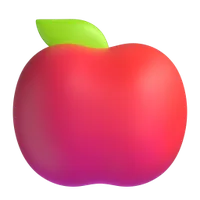 | Apple | સફરજન | safarjan | |
 | Orange | સંતરું | santaru | |
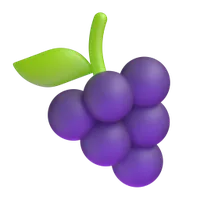 | Grapes | દ્રાક્ષ | draaksh | |
 | Watermelon | તરબૂચ | tarbooch | |
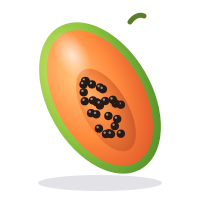 | Papaya | પપૈયું | papaiyu | |
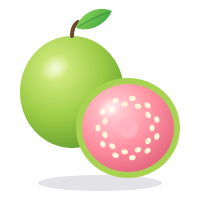 | Guava | જામફળ | jaamfal | |
 | Pineapple | અનાનસ | anaanas | |
 | Strawberry | સ્ટ્રોબેરી | strawberry | |
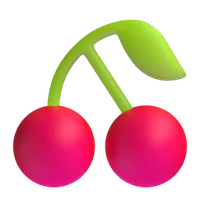 | Cherry | ચેરી | cherry | |
 | Lemon | લીંબુ | limbu | |
 | Coconut | નાળિયેર | naaliyer | |
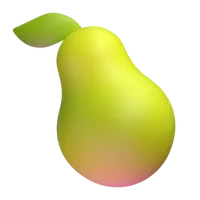 | Pear | નાસપતી | naaspati | |
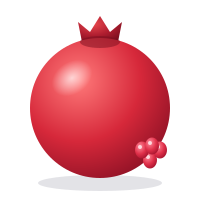 | Pomegranate | દાડમ | daadam | |
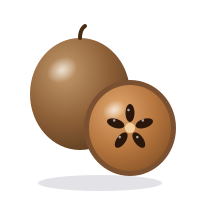 | Sapodilla | ચીકુ | chiku | |
 | Peach | પીચ | peach | |
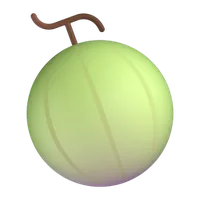 | Muskmelon | શક્કરટેટી | shakkarteti | |
 | Kiwi | કીવી | kiwi | |
 | Green Apple | લીલું સફરજન | leelu safarjan | |
 | Blueberry | બ્લૂબેરી | blueberry | |
 | Lime | લીલું લીંબુ | leelu limbu | |
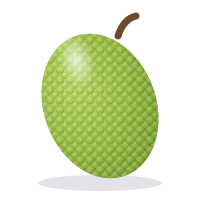 | Jackfruit | ફણસ | fanas | |
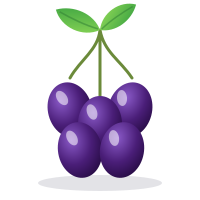 | Java Plum | જાંબુ | jaambu | |
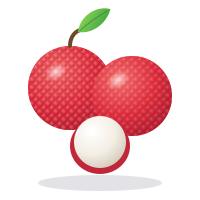 | Lychee | લીચી | lichi | |
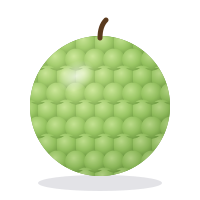 | Custard Apple | સીતાફળ | seetaafal | |
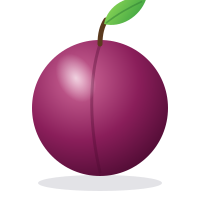 | Plum | આલુ | aalu | |
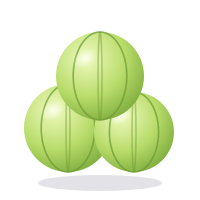 | Indian Gooseberry | આમળાં | aamlaa | |
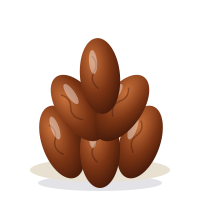 | Dates | ખજૂર | khajoor | |
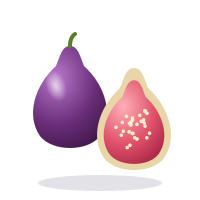 | Fig | અંજીર | anjeer |
Fruits name in Gujarati are some of the happiest words a child can learn, because each one comes with a taste. This page has 30 fruits with pictures and clear audio in Gujarati and English, from કેરી (kerī, mango), કેળું (keḷuṃ, banana) and સફરજન (safarjan, apple) to ચીકુ (chīku, sapodilla) and સીતાફળ (sītāphaḷ, custard apple). Tap any picture to hear its name, then play Find it or Memory.
First fruits to learn in Gujarati
Start with fruit already in your kitchen. A good first five is કેરી (mango), કેળું (banana), સફરજન (apple), દ્રાક્ષ (drākṣ, grapes) and સંતરું (santaruṃ, orange). Then add તરબૂચ (tarbūch, watermelon), જામફળ (jāmphaḷ, guava), દાડમ (dāḍam, pomegranate), પપૈયું (papaiyuṃ, papaya) and ચીકુ. Say the name each time you wash, cut or share the fruit, and the word will stick.
A few names tell a story. જામફળ and સીતાફળ both end in ફળ, "fruit". Mango is કેરી in Gujarati, not ām as in Hindi, which surprises many Hindi-speaking parents. Sweet melon has a lovely name: શક્કરટેટી (shakkarṭeṭī), literally "sugar melon".
Mango season and fruits of Gujarat
Summer in Gujarat means mangoes. The famous Kesar mango grows around Junagadh and the Gir, and Hafus (Alphonso) comes from Valsad in south Gujarat. Many families make કેરીનો રસ (kerīno ras, mango pulp) and eat it with puri, a treat children wait for all year. Gujarat also grows plenty of ચીકુ, especially around Gholvad and Navsari, as well as દાડમ in Kutch and ખજૂર (khajūr, dates) in the Kutch region too. Sharing where fruit comes from makes the words richer.
| Season | Fruits in the game |
|---|---|
| Summer ઉનાળો | કેરી, તરબૂચ, શક્કરટેટી, લીચી, જાંબુ |
| Monsoon ચોમાસું | જાંબુ, નાસપતી, આલુ |
| Winter શિયાળો | જામફળ, સીતાફળ, સંતરું, આમળાં, દાડમ |
| All year | કેળું, પપૈયું, ચીકુ, નાળિયેર |
A grammar note: three genders in Gujarati
Gujarati has three genders, and fruit shows them well. Masculine words often end in -o, feminine in -ī and neuter in -uṃ: કેરી is feminine, કેળું, સંતરું and પપૈયું are neuter. You will hear this when colours or "big/small" describe them: પીળી કેરી (yellow mango) but પીળું કેળું (yellow banana). Children absorb this by listening, so just talk naturally. Our colours name in Gujarati page explains more.
How to teach fruit names in Gujarati at home
- Snack choice. Ask કેળું જોઈએ કે સફરજન? (banana or apple?). Your child names the one they want.
- Market trip. At the shakmarket or supermarket, name the fruit and count them with Gujarati numbers.
- Feely bag. Hide a fruit in a cloth bag: આ શું છે? (what is this?).
- Colour sort. Make a plate of red, yellow and green fruit and name each colour.
- Fruit salad. Your child names each fruit as it goes in the bowl.
Play "guess the fruit": એ પીળું અને લાંબું છે ("it is yellow and long"). Your child taps the right picture.
What to expect by age
At 2-3, children learn 4-6 fruit names from snacks and point to them in the game. At 3-4, they name 10-15 fruits and match them to colours. At 4-5, they say what they like: મને કેરી ભાવે છે (I love mango). At 5-6, they can read short words like કેરી and ચીકુ. Keep sessions short and play alongside your child; under-twos learn fruit best by holding and tasting it. For Hindi and English names, see fruits name in Hindi and English, and continue with vegetables name in Gujarati.
Fruit, sharing and bilingual tips
Snack time is a natural moment to practise polite Gujarati, such as આભાર (thank you). Offering fruit to grandparents first, and sharing a plate with siblings, gives your child many chances to name each fruit aloud. For families abroad, fruit is also a bridge to Gujarat: tell your child about the Kesar mangoes Dada ate as a boy, or the chikoo farms near Navsari. If your child answers in English, repeat the Gujarati word warmly and carry on. Children with speech delay can point to the fruit first; the word will follow when they are ready. Five cheerful minutes a day is plenty.
બાળકો માટે ફળોનાં નામ ગુજરાતીમાં
આ પાનાં પર ત્રીસ ફળો ચિત્ર અને સ્પષ્ટ અવાજ સાથે છે: કેરી, કેળું, સફરજન, દ્રાક્ષ, સંતરું, તરબૂચ, જામફળ, ચીકુ, સીતાફળ અને બીજાં ઘણાં ફળો.
ફળોનાં નામ શીખવાની સૌથી સરસ જગ્યા રસોડું અને બજાર છે. બાળકને પોતાનું ફળ નામ બોલીને પસંદ કરવા દો, ફળ ગણો, તેના રંગ બોલો અને ઋતુની વાત કરો: ઉનાળામાં કેસર કેરી, શિયાળામાં જામફળ અને સીતાફળ.
How to use this page at home
Say it, then find it
Play for a few minutes, then look for the same thing away from the screen: gujarati words on the shelf, in the kitchen, on the way to school. A child learns a word properly when they meet it twice, once on the screen and once in their hand.
Ten minutes is enough
Short and happy beats long and tired. Stop while your child still wants more, and come back tomorrow: the same page on five short days teaches far more than one long sitting. Nothing here is scored, so there is no reason to push.
Use both languages
Tap the language button at the top to hear the words in your home language first and the second language after. Hearing the same picture named in two languages is one of the few things research agrees builds attention as well as vocabulary.