Colours in Urdu: word list with pictures
12 words · tap 🔊 to hear each one in Urdu.
| Picture | English | Urdu | Say it | Listen |
|---|---|---|---|---|
| Red | لال | lāl | ||
| Yellow | پیلا | pīlā | ||
| Blue | نیلا | nīlā | ||
| Green | ہرا | harā | ||
| Orange | نارنجی | nāranjī | ||
| Purple | جامنی | jāmnī | ||
| Pink | گلابی | gulābī | ||
| Brown | بھورا | bhūrā | ||
| Black | کالا | kālā | ||
| White | سفید | safed | ||
| Grey | سلیٹی | sleṭī | ||
| Sky Blue | آسمانی | āsmānī |
Colours name in Urdu are some of the most useful words for a young child, because colour describes almost everything: clothes, toys, food and the sky. This page teaches 12 colours with clear audio: لال (lāl, red), پیلا (pīlā, yellow), نیلا (nīlā, blue), ہرا (harā, green), نارنجی (nāranjī, orange), جامنی (jāmnī, purple), گلابی (gulābī, pink), بھورا (bhūrā, brown), کالا (kālā, black), سفید (safed, white), سلیٹی (sleṭī, grey) and آسمانی (āsmānī, sky blue). Tap a colour to hear it, then play Find it.
Colour names with little stories
Many Urdu colour words are named after things, which makes them easy to remember:
- گلابی (pink) comes from گلاب (gulāb), the rose.
- نارنجی (orange) comes from نارنگی, the orange fruit.
- جامنی (purple) comes from جامن, the dark purple summer fruit.
- آسمانی (sky blue) comes from آسمان (āsmān), the sky.
- سلیٹی (grey) comes from the slate, the old grey writing board children once used in school.
Tell these stories when you show the colour. Hold a rose and say گلابی, eat a jamun and say جامنی. The fruits name in Urdu page has several of these fruits.
Why colours change: pīlā, pīlī, pīle
Some Urdu colour words change their ending to match the thing they describe, just as in Hindi. Colours ending in -ā change; others stay the same:
| Type | Masculine | Feminine | Plural |
|---|---|---|---|
| Changes | پیلا کیلا (yellow banana) | پیلی گاڑی (yellow car) | پیلے کیلے (yellow bananas) |
| Changes | ہرا امرود | ہری مرچ | ہرے مٹر |
| Stays the same | لال سیب | لال ٹوپی | لال پھول |
| Stays the same | سفید بادل | سفید بلی | سفید دانت |
The game says the basic form. At home, just describe things naturally and your child will absorb the endings; there is no need to explain grammar to a preschooler.
Colours in everyday life and celebrations
Colour is everywhere in Urdu-speaking culture. Brides often wear لال; mehndi ceremonies are full of پیلا and ہرا; Eid brings new clothes in bright colours and colourful bangles. Pakistan's flag is ہرا and سفید, with a white crescent and star, and children learn its colours at school around Independence Day. Talking about these moments gives colour words warmth and meaning.
How to teach colours in Urdu at home
- Ask often. یہ کس رنگ کا ہے؟ (yeh kis rang kā hai?, what colour is this?)
- Colour of the day. "Today is نیلا day!" Find blue things together.
- Sort and match. Sort socks, bangles, blocks or crayons by colour.
- Food colours. لال ٹماٹر، ہری مرچ، پیلا کیلا at the kitchen counter.
- Mix paint. نیلا and پیلا make ہرا. Four- and five-year-olds find this magical.
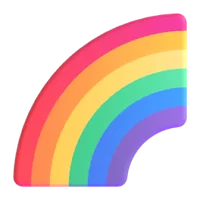
After rain, look for a rainbow, قوسِ قزح (qaus-e-quzaḥ), and name its colours in Urdu. Children who also learn Arabic will notice the same word in colours in Arabic.
What to expect by age
Colour names are abstract, so every child takes time. At 2-3, children may say colour words before using them correctly, and may call every colour لال for a while; that is normal. By 3-4, most match and name 4-6 colours. At 4-5, they name 8-10 colours and describe things: لال گاڑی. At 5-6, they read short colour words and use the endings naturally. If your child keeps confusing red and green for a long time, try matching before naming and mention it to your paediatrician in case of a colour vision difference. For Hindi and English colour names, see colours name in Hindi and English. Keep sessions short and play together.
Colours for every child
Some children take longer with colour words, especially those with speech delay, autism or a colour vision difference. Begin with matching: place a red block beside a red cup and say لال without asking your child to speak. Next, ask them to hand you the red one. Saying the word comes last. The grown-up settings let you choose fewer choices, calm sound or high contrast if these help your child. Praise the effort, not just the answer: شاباش، تم نے کوشش کی! ("Well done, you tried!"). Every child learns colours at their own pace.
بچوں کے لیے رنگوں کے نام اردو میں
اس صفحے پر بارہ رنگ صاف آواز کے ساتھ ہیں: لال، پیلا، نیلا، ہرا، نارنجی، جامنی، گلابی، بھورا، کالا، سفید، سلیٹی اور آسمانی۔ بچہ رنگ کو چھو کر اس کا نام سنتا ہے اور پھر کھیل میں اسے ڈھونڈتا ہے۔
بچے سے بار بار پوچھیں: یہ کس رنگ کا ہے؟ چیزوں کو ان کے رنگ کے ساتھ بیان کریں: لال سیب، پیلا کیلا، نیلا آسمان۔ موزے اور کھلونے رنگوں کے حساب سے الگ کریں اور رنگ ملا کر نئے رنگ بنائیں۔
How to use this page at home
Say it, then find it
Play for a few minutes, then look for the same thing away from the screen: urdu words on the shelf, in the kitchen, on the way to school. A child learns a word properly when they meet it twice, once on the screen and once in their hand.
Ten minutes is enough
Short and happy beats long and tired. Stop while your child still wants more, and come back tomorrow: the same page on five short days teaches far more than one long sitting. Nothing here is scored, so there is no reason to push.
Use both languages
Tap the language button at the top to hear the words in your home language first and the second language after. Hearing the same picture named in two languages is one of the few things research agrees builds attention as well as vocabulary.