Body parts in Polish: word list with pictures
30 words · tap 🔊 to hear each one in Polish.
| Picture | English | Polish | Say it | Listen |
|---|---|---|---|---|
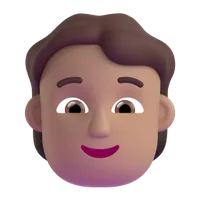 | Head | Głowa | ||
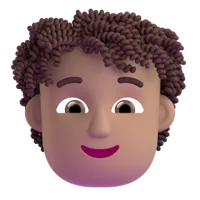 | Hair | Włosy | ||
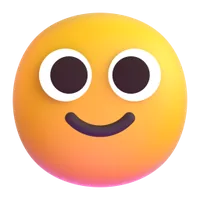 | Face | Twarz | ||
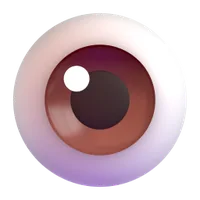 | Eye | Oko | ||
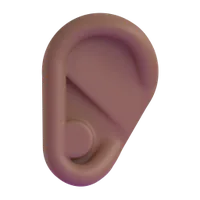 | Ear | Ucho | ||
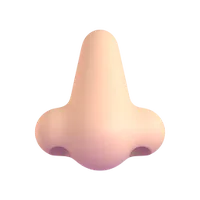 | Nose | Nos | ||
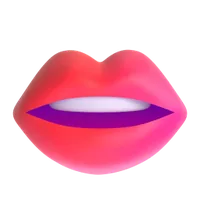 | Mouth | Buzia | ||
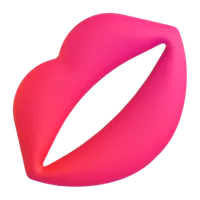 | Lips | Usta | ||
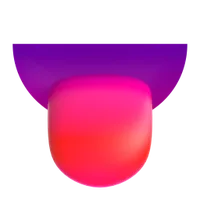 | Tongue | Język | ||
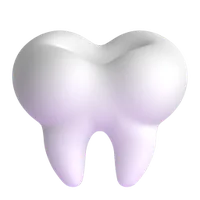 | Teeth | Zęby | ||
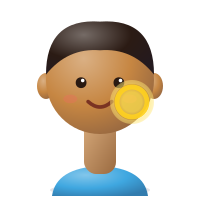 | Cheek | Policzek | ||
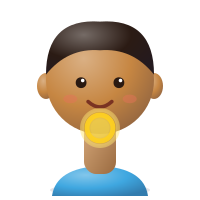 | Chin | Broda | ||
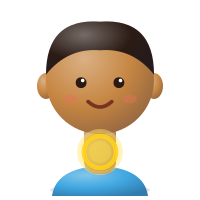 | Neck | Szyja | ||
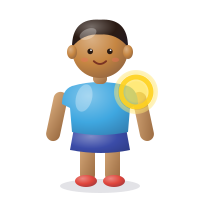 | Shoulder | Ramię | ||
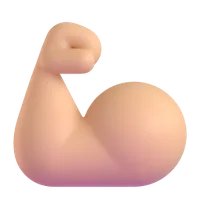 | Arm | Ręka | ||
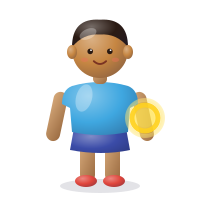 | Elbow | Łokieć | ||
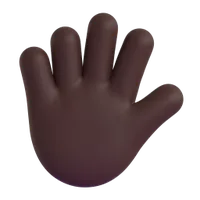 | Hand | Dłoń | ||
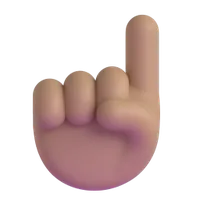 | Finger | Palec | ||
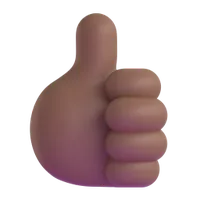 | Thumb | Kciuk | ||
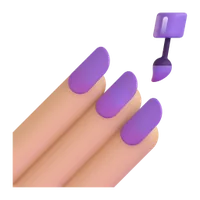 | Nail | Paznokieć | ||
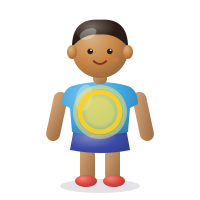 | Tummy | Brzuszek | ||
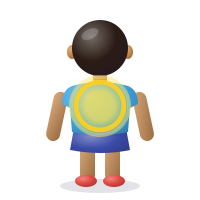 | Back | Plecy | ||
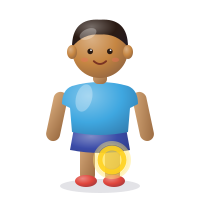 | Knee | Kolano | ||
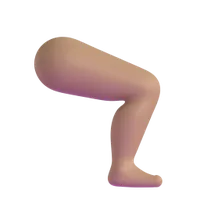 | Leg | Noga | ||
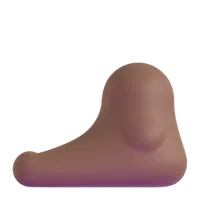 | Foot | Stopa | ||
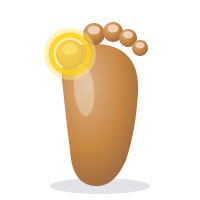 | Toe | Palec u nogi | ||
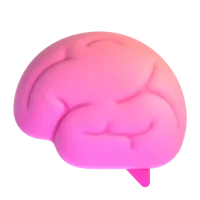 | Brain | Mózg | ||
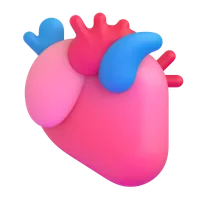 | Heart | Serce | ||
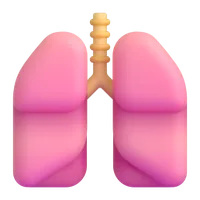 | Lungs | Płuca | ||
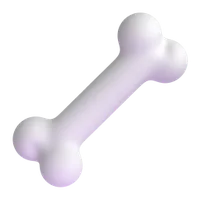 | Bones | Kości |
Body parts in Polish are some of the most useful words a small child can learn: for bath time, getting dressed, songs and telling a grown-up "Tu mnie boli" ("It hurts here"). This page has 30 body parts with pictures and clear audio, from głowa (head), nos (nose) and brzuszek (tummy) to serce (heart) and kości (bones). Tap a picture to hear the Polish and English word, then play Find it.
Parts of the face in Polish
Start with the face, where your child can touch each part: twarz (face), oko (eye), ucho (ear), nos (nose), buzia (mouth), usta (lips), język (tongue), zęby (teeth), policzek (cheek) and broda (chin). Hair is włosy. Several of these are on the Polish alphabet cards: N jak nos, O jak oko, U jak ucho.
Buzia is the warm, family word for a child's mouth or little face; adults usually say usta for mouth. The word list uses buzia for mouth and usta for lips, the way parents talk to toddlers. Język means both tongue and language, like the English "mother tongue".
Arms, legs and the rest of the body
Next come the big parts: szyja (neck), ramię (shoulder), ręka (arm), łokieć (elbow), dłoń (hand, palm), palec (finger), kciuk (thumb), paznokieć (nail), brzuszek (tummy), plecy (back), noga (leg), kolano (knee), stopa (foot) and palec u nogi (toe, "finger on the leg"). In everyday Polish, ręka means both arm and hand, and noga means both leg and foot, so do not worry if your child uses them for both. For older children, the list also has mózg (brain), serce (heart), płuca (lungs) and kości (bones).
One and two: body part plurals
| One | Two | English |
|---|---|---|
| oko | oczy | eye / eyes |
| ucho | uszy | ear / ears |
| ręka | ręce | hand / hands |
| noga | nogi | leg / legs |
| ząb | zęby | tooth / teeth |
Eyes and ears have special plurals, oczy and uszy, which children learn early because they hear them so often: "Zamknij oczy!" (Close your eyes!). Count together with numbers in Polish: "Ile masz palców?" "Dziesięć!"
Songs Polish children sing
In every przedszkole, children sing "Głowa, ramiona, kolana, pięty", the Polish version of "Head, shoulders, knees and toes", touching each part and getting faster. Babies play "Idzie rak, nieborak", a tickle rhyme where fingers "walk" up the arm like a crab, and "Sroczka kaszkę warzyła", a finger rhyme where a magpie cooks porridge and feeds each finger. These rhymes, passed down from babcia, are a big part of how Polish toddlers learn body words.
How to teach body parts in Polish at home
- Bath time. Wash and name: "Teraz myjemy rączki." (Now we wash your little hands.)
- Point game. "Gdzie jest twój nos?" (Where is your nose?) Let your child point, then swap roles.
- Teddy doctor. Play lekarz with a teddy, naming its uszy, oczy and brzuszek.
- Body drawing. Draw around your child on big paper and label the parts in Polish.
- Useful phrase. Teach "Boli mnie brzuch" (My tummy hurts) so your child can tell a teacher.
Polish uses little forms for a child's body, and parents say them all the time: rączka (little hand), nóżka (little leg), główka (little head), brzuszek. Use them freely; they are exactly what Polish toddlers hear.
What to expect by age
At two to three, children point to five to ten body parts and say some: nos, oko, brzuszek. At three to four, they name most face parts and the big body parts. At four to five, they learn elbow, shoulder, cheek and chin, and the plurals oczy and uszy. At five to six, they begin to talk about the heart, lungs and bones. Body words also help children speak up about their own body: teach that their body belongs to them, that they can say "Nie" and tell a trusted grown-up. Keep screen time short and shared. For English and Hindi words, see body parts name in Hindi and English, or compare body parts in Ukrainian.
Części ciała dla dzieci
Na tej stronie dziecko uczy się 30 części ciała z obrazkiem i nagraniem: głowa, włosy, oczy, uszy, nos, buzia, ręce, nogi i wiele innych. Dotknij obrazka, a usłyszysz nazwę po polsku i po angielsku.
Śpiewajcie razem „Głowa, ramiona, kolana, pięty”, nazywajcie części ciała podczas kąpieli i bawcie się w „Gdzie jest twój nos?”. Tak dziecko łączy słowa z własnym ciałem i łatwo je zapamiętuje.
How to use this page at home
Say it, then find it
Play for a few minutes, then look for the same thing away from the screen: polish words on the shelf, in the kitchen, on the way to school. A child learns a word properly when they meet it twice, once on the screen and once in their hand.
Ten minutes is enough
Short and happy beats long and tired. Stop while your child still wants more, and come back tomorrow: the same page on five short days teaches far more than one long sitting. Nothing here is scored, so there is no reason to push.
Use both languages
Tap the language button at the top to hear the words in your home language first and the second language after. Hearing the same picture named in two languages is one of the few things research agrees builds attention as well as vocabulary.