Vegetables in Polish: word list with pictures
30 words · tap 🔊 to hear each one in Polish.
| Picture | English | Polish | Say it | Listen |
|---|---|---|---|---|
 | Potato | Ziemniak | ||
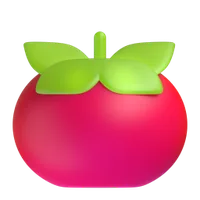 | Tomato | Pomidor | ||
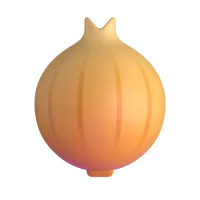 | Onion | Cebula | ||
 | Carrot | Marchewka | ||
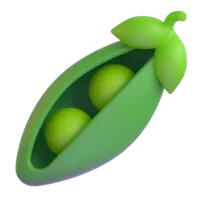 | Peas | Groszek | ||
 | Cucumber | Ogórek | ||
 | Brinjal | Bakłażan | ||
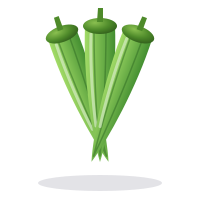 | Okra | Okra | ||
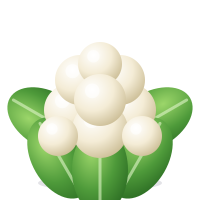 | Cauliflower | Kalafior | ||
 | Cabbage | Kapusta | ||
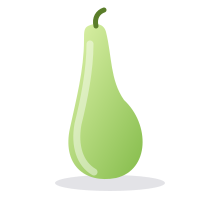 | Bottle Gourd | Tykwa | ||
 | Spinach | Szpinak | ||
 | Pumpkin | Dynia | ||
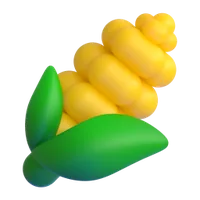 | Corn | Kukurydza | ||
 | Capsicum | Papryka | ||
 | Chilli | Papryczka chili | ||
 | Garlic | Czosnek | ||
 | Ginger | Imbir | ||
 | Broccoli | Brokuł | ||
 | Mushroom | Grzyb | ||
 | Sweet Potato | Batat | ||
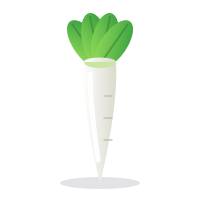 | Radish | Rzodkiewka | ||
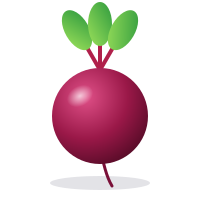 | Beetroot | Burak | ||
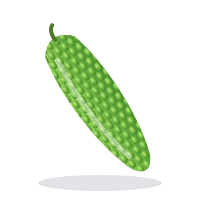 | Bitter Gourd | Gorzki melon | ||
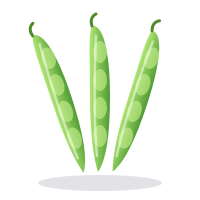 | Green Beans | Fasolka szparagowa | ||
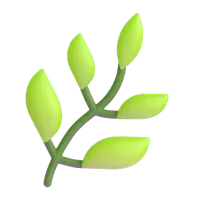 | Coriander | Kolendra | ||
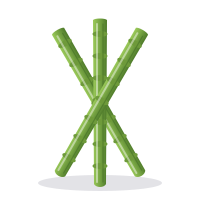 | Drumstick | Moringa | ||
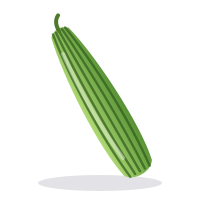 | Ridge Gourd | Trukwa | ||
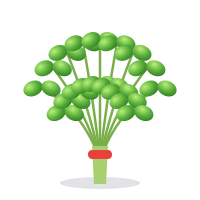 | Fenugreek Leaves | Kozieradka | ||
 | Raw Banana | Zielony banan |
Vegetables in Polish are everyday words in a food culture full of soups, dumplings and pickles. This page has 30 vegetables with pictures and clear audio, from ziemniak (potato), marchewka (carrot) and kapusta (cabbage) to burak (beetroot), ogórek (cucumber) and dynia (pumpkin). Tap a picture to hear the Polish and English name, then play Find it or Memory.
Everyday vegetables in Polish
Start with the vegetables your child eats most: ziemniak, marchewka, pomidor (tomato), ogórek, groszek (peas), kukurydza (corn) and papryka (bell pepper). Then add cebula (onion), czosnek (garlic), kalafior (cauliflower), brokuł (broccoli) and kapusta. Potatoes have a second, older name, kartofel, which grandparents often use. Many names already sound "small and cute" to Polish ears, like marchewka, groszek and rzodkiewka (radish), because Polish loves diminutive endings.
Vegetables in Polish family food
Polish cooking gives you many chances to name vegetables together. Children grow up with these dishes at home, at babcia's and in the preschool canteen.
| Dish | Main vegetables | When |
|---|---|---|
| Rosół | marchewka, pietruszka, seler | Sunday chicken soup |
| Zupa pomidorowa | pomidor | Tomato soup, a children's favourite |
| Barszcz | burak | Red beetroot soup, served at Christmas Eve |
| Bigos | kapusta | Hunter's stew of cabbage and meat |
| Ogórki kiszone | ogórek, czosnek | Pickled cucumbers, made in late summer |
Beetroot soup is a great colour lesson: "Barszcz jest czerwony!" Many families also make pierogi ruskie with potato and cheese, and children love helping to fill them.
Our list is shared with the site's Indian pages, so it includes bottle gourd (tykwa), bitter gourd (gorzki melon), drumstick (moringa) and fenugreek leaves (kozieradka). Enjoy these as world words; most are rare in Polish shops.
Growing vegetables at the działka
Many Polish families have a działka, a small allotment garden outside the city, where grandparents grow potatoes, carrots, cucumbers, tomatoes and dill. Children dig, water and pick, and they learn the names of vegetables straight from the soil. At home you can grow rzodkiewka in a pot in a few weeks, or watch a cebula sprout green shoots in a glass of water on the windowsill.
How to teach vegetable names in Polish at home
- Kitchen helper. Hand your child a vegetable to wash and ask "Co to jest?" (What is it?)
- Soup game. Name each vegetable as it goes into the rosół.
- Shop play. Play sklep (shop) with toy vegetables: "Poproszę marchewkę!"
- Colour link. "Marchewka jest pomarańczowa, ogórek jest zielony." Try colours in Polish.
- Count them. "Ile ziemniaków?" Count with numbers in Polish.
For picky eaters, touching and naming come before tasting. Let your child hold, smell and name a vegetable with no pressure to eat it. Many children accept a food after meeting it ten or more times.
What to expect by age
At two to three, children learn four to six vegetables, such as potato, carrot, tomato and cucumber. At three to four, they name about ten and sort them by colour. At four to five, they describe them: "Dynia jest duża i pomarańczowa." At five to six, they sort vegetables by where they grow, under or above the ground. Keep sessions short and shared, and let under-twos explore real vegetables with a grown-up rather than a screen. For English and Hindi names, see vegetables name in Hindi and English, or compare vegetables in Ukrainian.
Pickling is a big part of Polish food culture, and children often help. In late summer, families fill jars with cucumbers, dill, garlic and salty water for ogórki kiszone, and in autumn they make sauerkraut, kapusta kiszona. Let your child count the cucumbers into the jar and name each herb and vegetable as it goes in.
For families abroad, a Polish grocery shop is a great classroom: point to buraki, ogórki and kapusta and say their names, then cook one dish from your own childhood together. Tasting a family recipe, like zupa ogórkowa (cucumber soup), makes the vocabulary part of your child's own story.
Warzywa dla dzieci: nazwy
Na tej stronie dziecko uczy się 30 warzyw z obrazkiem i nagraniem: ziemniak, marchewka, pomidor, ogórek, kapusta, burak i wiele innych. Dotknij obrazka, a usłyszysz nazwę po polsku i po angielsku.
Gotujcie razem zupę, lepcie pierogi, sadźcie rzodkiewkę w doniczce albo pomagajcie babci na działce. Chwalcie każdą próbę i nie zmuszajcie dziecka do jedzenia. Najpierw poznajemy, potem próbujemy.
How to use this page at home
Say it, then find it
Play for a few minutes, then look for the same thing away from the screen: polish words on the shelf, in the kitchen, on the way to school. A child learns a word properly when they meet it twice, once on the screen and once in their hand.
Ten minutes is enough
Short and happy beats long and tired. Stop while your child still wants more, and come back tomorrow: the same page on five short days teaches far more than one long sitting. Nothing here is scored, so there is no reason to push.
Use both languages
Tap the language button at the top to hear the words in your home language first and the second language after. Hearing the same picture named in two languages is one of the few things research agrees builds attention as well as vocabulary.