Fruits in Thai: word list with pictures
30 words · tap 🔊 to hear each one in Thai.
| Picture | English | Thai | Say it | Listen |
|---|---|---|---|---|
 | Mango | มะม่วง | mamuang | |
 | Banana | กล้วย | kluai | |
 | Apple | แอปเปิล | aeppoen | |
 | Orange | ส้ม | som | |
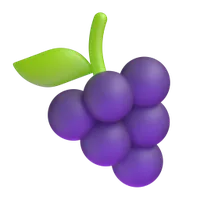 | Grapes | องุ่น | a-ngun | |
 | Watermelon | แตงโม | taengmo | |
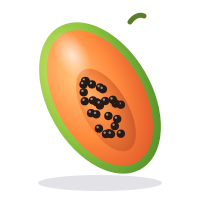 | Papaya | มะละกอ | malako | |
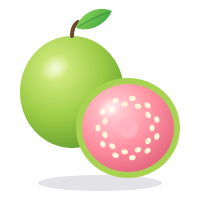 | Guava | ฝรั่ง | farang | |
 | Pineapple | สับปะรด | sapparot | |
 | Strawberry | สตรอว์เบอร์รี | satroboeri | |
 | Cherry | เชอร์รี | choerri | |
 | Lemon | เลมอน | lemon | |
 | Coconut | มะพร้าว | maphrao | |
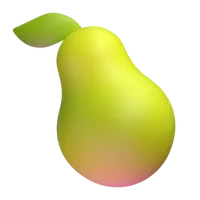 | Pear | สาลี่ | sali | |
 | Pomegranate | ทับทิม | thapthim | |
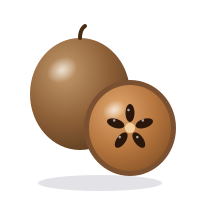 | Sapodilla | ละมุด | lamut | |
 | Peach | ลูกพีช | luk phit | |
 | Muskmelon | แคนตาลูป | khaentalup | |
 | Kiwi | กีวี | kiwi | |
 | Green Apple | แอปเปิลเขียว | aeppoen khiao | |
 | Blueberry | บลูเบอร์รี | bluboeri | |
 | Lime | มะนาว | manao | |
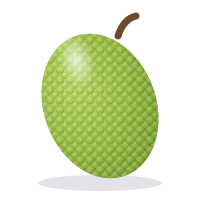 | Jackfruit | ขนุน | khanun | |
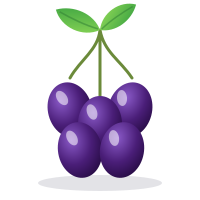 | Java Plum | ลูกหว้า | luk wa | |
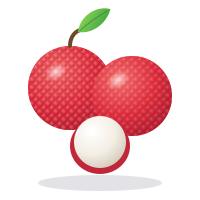 | Lychee | ลิ้นจี่ | linchi | |
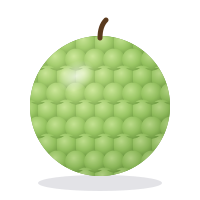 | Custard Apple | น้อยหน่า | noina | |
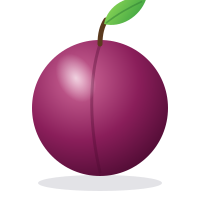 | Plum | ลูกพลัม | luk phlam | |
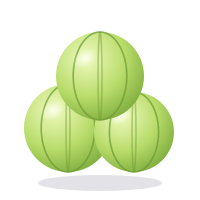 | Indian Gooseberry | มะขามป้อม | makham pom | |
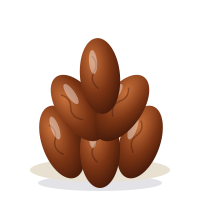 | Dates | อินทผลัม | inthaphalam | |
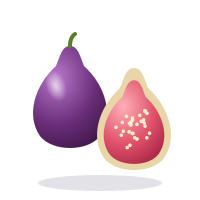 | Fig | มะเดื่อ | madue |
Fruits name in Thai is a delicious place to start, because Thailand is a land of fruit: markets are piled high all year, and street carts sell sliced mango, pineapple and guava in little bags. This page has 30 fruits with pictures, romanization and clear audio, from มะม่วง (mamuang, mango) and กล้วย (kluai, banana) to ขนุน (khanun, jackfruit) and น้อยหน่า (noina, custard apple). Tap a picture to hear the name in Thai and English, then play Find it when a few fruits feel familiar.
First fruits in Thai for toddlers
The Thai word for fruit is ผลไม้ (phonlamai). Start with seven everyday fruits: กล้วย (banana), มะม่วง (mango), ส้ม (som, orange), แตงโม (taengmo, watermelon), องุ่น (a-ngun, grapes), สับปะรด (sapparot, pineapple) and มะละกอ (malako, papaya). Hold up the real fruit each time you say its name, and let your child smell and touch it.
The มะ family: why so many fruits start with "ma"
Many Thai fruit names begin with มะ (ma), a short form of an old word for fruit: มะม่วง (mango), มะละกอ (papaya), มะพร้าว (maphrao, coconut), มะนาว (manao, lime), มะขามป้อม (makham pom, Indian gooseberry) and มะเดื่อ (madue, fig). Vegetables join in too: มะเขือเทศ (tomato) and มะระ (bitter gourd) are in vegetables in Thai. Five-year-olds enjoy hunting for มะ words; it is also a good first step towards reading, since ม is ม ม้า on the Thai alphabet chart.
Another group starts with ลูก (luk, "child" or "round thing"): ลูกพีช (peach), ลูกพลัม (plum) and ลูกหว้า (Java plum). ลูก is also the classifier for counting round fruit: ส้ม สาม ลูก (three oranges).
Fun facts about Thai fruit words
- ฝรั่ง (farang) means guava, and it is also the everyday Thai word for a Western foreigner. Guava was brought to Thailand by foreign traders long ago.
- ส้ม (som) means orange the fruit and, with สี, orange the colour: สีส้ม. See colours in Thai.
- แตงโม (taengmo), watermelon, belongs to the แตง (melon) family, with แตงกวา (cucumber).
- ทับทิม (thapthim) means pomegranate and also ruby, because of its jewel-red seeds.
Thai fruits through the year
| Season | Fruits | A treat to share |
|---|---|---|
| Hot season (March to May) | มะม่วง mango, แตงโม watermelon, ลิ้นจี่ lychee | ข้าวเหนียวมะม่วง, mango sticky rice, especially around Songkran |
| Rainy season (June to October) | ขนุน jackfruit, น้อยหน่า custard apple, ลูกหว้า Java plum | Fruit bags from the market |
| All year | กล้วย banana, มะพร้าว coconut, ฝรั่ง guava, มะละกอ papaya | Coconut water straight from the shell |
Thailand is also famous for fruit carving (แกะสลักผลไม้), where watermelons and papayas become flowers and birds. Older children can try simple shapes with a banana and a blunt knife, with a grown-up close by.
More fruits at a Thai market
Thai markets also sell fruits that are not in this game yet, and they are fun to name when you see them: ทุเรียน (thurian, durian, the spiky "king of fruits" with a famously strong smell), มังคุด (mangkhut, mangosteen, the "queen of fruits"), เงาะ (ngo, rambutan, the hairy red one) and ลำไย (lamyai, longan). If you find them in a shop near you, let your child hold one, guess what is inside, and then open it together. New words stick best when they come with a surprise.
How to teach fruits in Thai at home
- Snack-time words. Offer a choice in Thai: "กล้วย หรือ ส้ม?" (banana or orange?).
- Market walk. At a Thai or Asian grocery, ask "มะม่วง อยู่ไหน?", the same question Golu asks.
- Count and sort. Count grapes with numbers in Thai, then sort fruit by colour.
- Taste test. Blindfold your child, give a small piece and let them guess the fruit in Thai.
Five to ten minutes together is plenty. If your child would rather eat the mango than name it, let them: tasting is learning too.
Mango, banana, coconut: quick answers
Mango in Thai is มะม่วง (mamuang). Banana in Thai is กล้วย (kluai), and Thailand grows dozens of banana varieties. Coconut in Thai is มะพร้าว (maphrao). Orange in Thai is ส้ม (som), watermelon in Thai is แตงโม, apple in Thai is แอปเปิล (aeppoen, from English) and lime in Thai is มะนาว (manao), used in almost every Thai kitchen.
For heritage and diaspora families
Fruit is one of the easiest ways to keep Thai alive at home: name each fruit as you cut it, and let grandparents join by video call at snack time. This page includes fruits common in India and elsewhere too, such as sapodilla (ละมุด) and Indian gooseberry, so families in South Asia can use the words they need. The word list above prints from your browser as a Thai fruits chart with romanization; there is no separate PDF. Compare with fruits in Korean or go on to vegetables in Thai.
ชวนลูกรู้จักผลไม้
เวลากินผลไม้คือเวลาดีที่สุดในการสอนภาษาไทย ลองถามลูกว่า "กินกล้วยไหม" "อยากกินมะม่วงหรือส้ม" แล้วพูดชื่อผลไม้ไปพร้อมกัน ถ้าลูกยังพูดไม่ได้ ให้ชี้ก็เก่งแล้ว
ผลไม้ไทยหลายชนิดขึ้นต้นด้วยคำว่า "มะ" เช่น มะม่วง มะละกอ มะพร้าว มะนาว ลองชวนลูกหาคำที่ขึ้นต้นด้วย "มะ" ด้วยกัน ช่วงสงกรานต์ลองทำข้าวเหนียวมะม่วงกินกับครอบครัว และอย่าลืมชมเชยเมื่อลูกพูดชื่อผลไม้ได้นะคะ
How to use this page at home
Say it, then find it
Play for a few minutes, then look for the same thing away from the screen: thai words on the shelf, in the kitchen, on the way to school. A child learns a word properly when they meet it twice, once on the screen and once in their hand.
Ten minutes is enough
Short and happy beats long and tired. Stop while your child still wants more, and come back tomorrow: the same page on five short days teaches far more than one long sitting. Nothing here is scored, so there is no reason to push.
Use both languages
Tap the language button at the top to hear the words in your home language first and the second language after. Hearing the same picture named in two languages is one of the few things research agrees builds attention as well as vocabulary.