Vegetables in Thai: word list with pictures
30 words · tap 🔊 to hear each one in Thai.
| Picture | English | Thai | Say it | Listen |
|---|---|---|---|---|
 | Potato | มันฝรั่ง | manfarang | |
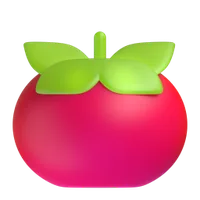 | Tomato | มะเขือเทศ | makhuea thet | |
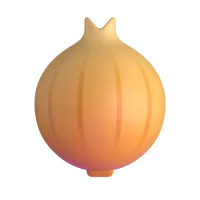 | Onion | หัวหอม | hua hom | |
 | Carrot | แครอท | khaerot | |
 | Peas | ถั่วลันเตา | thua lantao | |
 | Cucumber | แตงกวา | taengkwa | |
 | Brinjal | มะเขือม่วง | makhuea muang | |
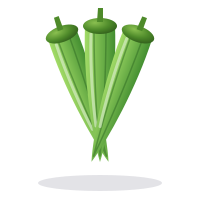 | Okra | กระเจี๊ยบเขียว | krachiap khiao | |
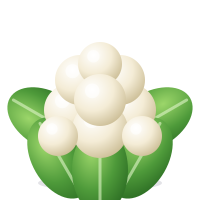 | Cauliflower | ดอกกะหล่ำ | dok kalam | |
 | Cabbage | กะหล่ำปลี | kalampli | |
 | Bottle Gourd | น้ำเต้า | namtao | |
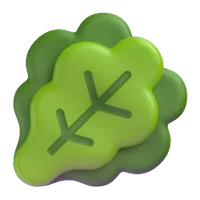 | Spinach | ผักโขม | phak khom | |
 | Pumpkin | ฟักทอง | fakthong | |
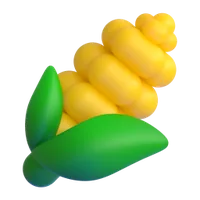 | Corn | ข้าวโพด | khaophot | |
 | Capsicum | พริกหยวก | phrik yuak | |
 | Chilli | พริก | phrik | |
 | Garlic | กระเทียม | krathiam | |
 | Ginger | ขิง | khing | |
 | Broccoli | บร็อกโคลี | brokkholi | |
 | Mushroom | เห็ด | het | |
 | Sweet Potato | มันเทศ | manthet | |
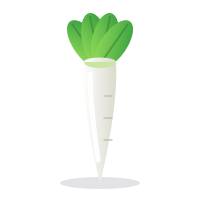 | Radish | หัวไชเท้า | hua chai thao | |
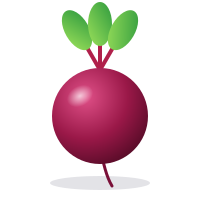 | Beetroot | บีทรูท | bitrut | |
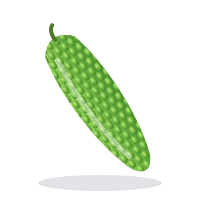 | Bitter Gourd | มะระ | mara | |
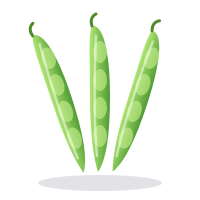 | Green Beans | ถั่วฝักยาว | thua fak yao | |
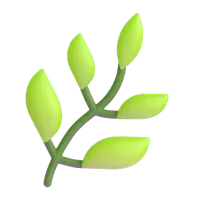 | Coriander | ผักชี | phakchi | |
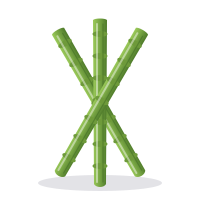 | Drumstick | ฝักมะรุม | fak marum | |
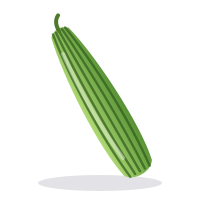 | Ridge Gourd | บวบ | buap | |
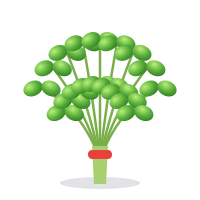 | Fenugreek Leaves | ใบเมธี | bai methi | |
 | Raw Banana | กล้วยดิบ | kluai dip |
Vegetables name in Thai fits right into family cooking, because Thai food is full of fresh vegetables and herbs. This page has 30 vegetables with pictures, romanization and clear audio, from แครอท (khaerot, carrot) and มันฝรั่ง (manfarang, potato) to พริก (phrik, chilli) and ผักชี (phakchi, coriander). Tap a picture to hear it in Thai and English, then try Find it or Memory with Golu.
First vegetables in Thai for toddlers
The Thai word for vegetable is ผัก (phak). Start with six vegetables your child sees every week: แครอท (carrot), มันฝรั่ง (potato), หัวหอม (hua hom, onion), มะเขือเทศ (makhuea thet, tomato), แตงกวา (taengkwa, cucumber) and ข้าวโพด (khaophot, corn). Hold up the real vegetable, say its name, and let your child touch and smell it.
Thai vegetable word families
Thai vegetable names are built from small words that children can learn to spot:
| Word | Meaning | Vegetables on this page |
|---|---|---|
| ผัก phak | vegetable, leafy green | ผักชี coriander, ผักโขม spinach |
| มัน man | tuber | มันฝรั่ง potato ("foreign tuber"), มันเทศ sweet potato |
| หัว hua | head, bulb or root | หัวหอม onion, หัวไชเท้า white radish |
| มะเขือ makhuea | eggplant family | มะเขือเทศ tomato ("foreign eggplant"), มะเขือม่วง brinjal ("purple eggplant") |
| ถั่ว thua | bean | ถั่วลันเตา peas, ถั่วฝักยาว long beans |
The word หัว is also "head" in body parts in Thai, so an onion is a "fragrant head". Children remember words better when they see these connections.
Som tam: a salad full of vegetable words
Green papaya salad, ส้มตำ (som tam), is one of Thailand's best-known dishes, and it is a vocabulary lesson in a bowl. It is made in a clay mortar with shredded green papaya (มะละกอ), มะเขือเทศ (tomato), ถั่วฝักยาว (long beans), กระเทียม (krathiam, garlic), พริก (chilli) and a squeeze of มะนาว (lime). Let your child add each ingredient (you handle the chilli!) while you name it in Thai. A child-friendly version without chilli is common in Thai homes too: ask for ไม่เผ็ด (mai phet, not spicy).
Chilli, herbs and a funny saying
- พริก (chilli): the tiny, very hot bird's eye chilli is called พริกขี้หนู, literally "mouse-dropping chilli", because of its size. Children always giggle at this.
- ผักชี (coriander): the saying ผักชีโรยหน้า, "sprinkling coriander on top", means making something look good only on the surface.
- ขิง (khing, ginger) and กระเทียม (garlic) start many Thai dishes; let your child smell them and say the names.
- ฟักทอง (fakthong, pumpkin) means "golden gourd", and pumpkin custard is a favourite Thai dessert.
Carrot, potato, tomato: quick answers
Carrot in Thai is แครอท (khaerot), borrowed from English. Potato in Thai is มันฝรั่ง (manfarang). Tomato in Thai is มะเขือเทศ. Onion in Thai is หัวหอม, cucumber in Thai is แตงกวา, corn in Thai is ข้าวโพด, mushroom in Thai is เห็ด (het) and cabbage in Thai is กะหล่ำปลี (kalampli). The page also includes vegetables common in Indian kitchens, such as okra (กระเจี๊ยบเขียว), drumstick (ฝักมะรุม) and fenugreek leaves.
Floating markets and fresh markets
In Thailand, many families buy vegetables at a fresh market, ตลาดสด (talat sot), and some towns still have floating markets, ตลาดน้ำ (talat nam), where sellers paddle boats full of vegetables and fruit along the canals. Even far from Thailand, an Asian grocery works just as well: give your child a basket and a picture list of three vegetables, and let them find each one and say its Thai name. Ask how many they found with numbers in Thai, and which one is the biggest.
Thai meals also mix vegetables into almost everything: stir-fried morning glory, ผัดผักบุ้ง, is a classic, and clear soups often include ฟักทอง, แครอท and กะหล่ำปลี. Naming the vegetables in the bowl before eating turns every meal into a gentle review.
How to teach vegetables in Thai at home
- Kitchen helper (age 3+). Let your child wash long beans or peel corn while you name them.
- Market game (age 4+). At a Thai or Asian grocery, ask "แครอท อยู่ไหน?", the same question Golu asks.
- Colour sort (age 4+). มะเขือเทศ สีแดง, แตงกวา สีเขียว: link to colours in Thai.
- Grow one (age 5+). Plant a spring onion root or bean in a cup and name it as it grows.
Picky eater? Naming a vegetable, touching it and seeing it in the game many times helps far more than pressure. Praise tiny steps, even a sniff.
For heritage and diaspora families
Cooking Thai food abroad is a natural Thai lesson: a green curry, a stir-fry or a simple omelette with vegetables. The word list above prints from your browser as a Thai vegetables chart with romanization; there is no separate PDF. When vegetables are going well, try fruits in Thai or compare with vegetables in Korean.
ชวนลูกรู้จักผัก
ผักเรียนได้ดีที่สุดในครัว ลองชวนลูกล้างผัก ปอกข้าวโพด หรือเด็ดถั่วฝักยาว แล้วถามว่า "นี่ผักอะไร" ลูกจะได้จับ ได้ดม และได้พูดชื่อผักไปพร้อมกัน
ถ้าลูกไม่ชอบกินผัก ไม่ต้องบังคับนะคะ เริ่มจากการเล่นหาผักในเกม พูดชื่อผัก และบอกสีของผัก เช่น มะเขือเทศสีแดง แตงกวาสีเขียว เมื่อลูกพูดได้หรือยอมจับผัก ให้ชมว่า "เก่งมาก" แล้ววันหนึ่งลูกจะอยากลองชิมเอง
How to use this page at home
Say it, then find it
Play for a few minutes, then look for the same thing away from the screen: thai words on the shelf, in the kitchen, on the way to school. A child learns a word properly when they meet it twice, once on the screen and once in their hand.
Ten minutes is enough
Short and happy beats long and tired. Stop while your child still wants more, and come back tomorrow: the same page on five short days teaches far more than one long sitting. Nothing here is scored, so there is no reason to push.
Use both languages
Tap the language button at the top to hear the words in your home language first and the second language after. Hearing the same picture named in two languages is one of the few things research agrees builds attention as well as vocabulary.