Vegetables in Gujarati: word list with pictures
30 words · tap 🔊 to hear each one in Gujarati.
| Picture | English | Gujarati | Say it | Listen |
|---|---|---|---|---|
 | Potato | બટાકા | bataaka | |
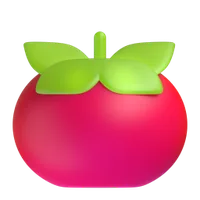 | Tomato | ટામેટું | taametu | |
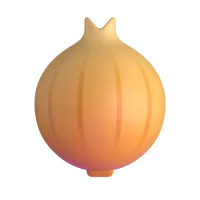 | Onion | ડુંગળી | dungli | |
 | Carrot | ગાજર | gaajar | |
 | Peas | વટાણા | vataana | |
 | Cucumber | કાકડી | kaakdi | |
 | Brinjal | રીંગણ | reengan | |
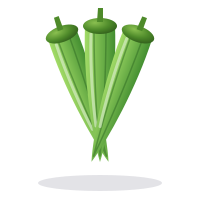 | Okra | ભીંડા | bheenda | |
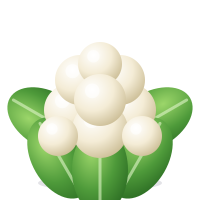 | Cauliflower | ફુલાવર | flower | |
 | Cabbage | કોબીજ | kobij | |
 | Bottle Gourd | દૂધી | doodhi | |
 | Spinach | પાલક | paalak | |
 | Pumpkin | કોળું | kolu | |
 | Corn | મકાઈ | makaai | |
 | Capsicum | કેપ્સિકમ | capsicum | |
 | Chilli | મરચું | marchu | |
 | Garlic | લસણ | lasan | |
 | Ginger | આદુ | aadu | |
 | Broccoli | બ્રોકોલી | broccoli | |
 | Mushroom | મશરૂમ | mushroom | |
 | Sweet Potato | શક્કરિયું | shakkariyu | |
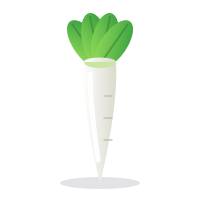 | Radish | મૂળો | mulo | |
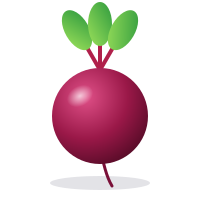 | Beetroot | બીટ | beet | |
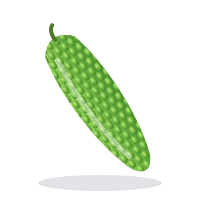 | Bitter Gourd | કારેલાં | kaarelaa | |
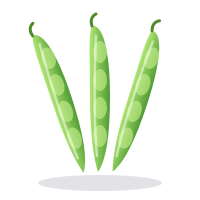 | Green Beans | ફણસી | fansi | |
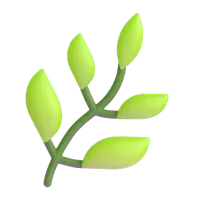 | Coriander | કોથમીર | kothmir | |
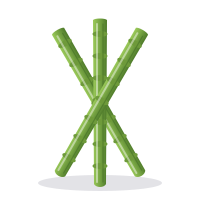 | Drumstick | સરગવો | sargavo | |
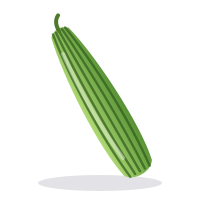 | Ridge Gourd | તુરિયાં | turiyaa | |
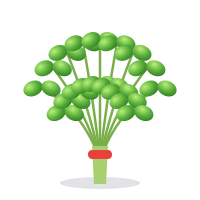 | Fenugreek Leaves | મેથી | methi | |
 | Raw Banana | કાચું કેળું | kaachu kelu |
Vegetables name in Gujarati, શાકભાજીનાં નામ (shākbhājīnāṃ nām), are words your child hears at almost every meal, from dāl-bhāt-shāk-rotlī to a festive thali. This page has 30 vegetables with pictures and clear audio in Gujarati and English, from બટાકા (baṭākā, potato) and ટામેટું (ṭāmeṭuṃ, tomato) to ભીંડા (bhīnḍā, okra) and દૂધી (dūdhī, bottle gourd). Tap a picture to hear it, then play Find it.
Everyday shak to learn first
Start with five vegetables you cooked this week. For many Gujarati families that means બટાકા (potato), ટામેટું (tomato), ભીંડા (okra), રીંગણ (rīngaṇ, brinjal) and દૂધી (bottle gourd). Next add ગાજર (gājar, carrot), વટાણા (vaṭāṇā, peas), કાકડી (kākḍī, cucumber), કોબીજ (kobīj, cabbage), ફુલાવર (cauliflower), પાલક (pālak, spinach), કોળું (koḷuṃ, pumpkin) and મકાઈ (makāī, corn). Leafy greens matter too: મેથી (methī, fenugreek) and કોથમીર (kothmīr, coriander) are in countless Gujarati dishes, from methi thepla to dhokla garnish.
Notice some everyday Gujarati names come straight from English: ફુલાવર is "flower" for cauliflower, and કેપ્સિકમ, બ્રોકોલી and મશરૂમ are used as they are. Bilingual children enjoy spotting these.
Vegetables in Gujarati food
Gujarat's kitchen is largely vegetarian, which makes vegetables the heroes of the plate. Winter brings undhiyu, a slow-cooked mix of રીંગણ, શક્કરિયું (shakkariyuṃ, sweet potato), ફણસી (phaṇsī, green beans), વટાણા and મેથી muthiya, eaten especially at Uttarayan. Summer brings તુરિયાં (turiyāṃ, ridge gourd) and દૂધી, and ringan no olo is a smoky brinjal favourite. સરગવો (sargavo, drumstick) goes into Gujarati kadhi and dal. Naming vegetables while you cook gives each word a smell and a story.
Many Jain families, and some other Gujarati households, do not eat root vegetables such as potato, onion, garlic and carrot. If that is your home, simply focus on the vegetables you do cook: ભીંડા, દૂધી, તુરિયાં, કોબીજ, વટાણા, ફણસી and leafy greens. The game shows all 30, and you can talk about the others as "vegetables some families eat".
Vegetables in Gujarati by colour
| Colour | Vegetables in the game |
|---|---|
| Green લીલો | ભીંડા, દૂધી, પાલક, મેથી, કારેલાં, કાકડી, તુરિયાં |
| Red લાલ | ટામેટું, મરચું, બીટ |
| Orange નારંગી | ગાજર, કોળું |
| Purple જાંબલી | રીંગણ |
| White સફેદ | મૂળો, ફુલાવર |
Pair this with colours name in Gujarati for a sorting game at the counter.
How to teach vegetable names in Gujarati at home
- Shell the peas. Let your child pop વટાણા from the pods and count them with Gujarati numbers.
- Pick the methi. Plucking મેથી leaves is a perfect job for small fingers.
- Shakmarket trip. Give your child three pictures to find at the vegetable market.
- Grow something. કોથમીર or મેથી sprout in a pot within days.
- Tiny tastes. Never force food; praise looking and touching. Naming vegetables in play can make a fussy eater more curious.
Play "shakwala": your child sells toy vegetables and you ask અડધો કિલો ભીંડા આપો ("half a kilo of okra, please").
What to expect by age
At 2-3, children learn a few vegetables they eat often and point to them in the game. At 3-4, they name 8-12 and sort by colour. At 4-5, they say what they like: મને ભીંડા ભાવે છે. At 5-6, they read short words like બીટ and મેથી. Play for five minutes together, then carry the words into the kitchen. For Hindi and English, see vegetables name in Hindi and English, and pair this page with fruits name in Gujarati.
A bilingual kitchen routine
For Gujarati families in the UK, US or Canada, the kitchen is often where Gujarati is spoken most. Make one daily moment, such as preparing dinner, a Gujarati moment. Hand your child a vegetable and ask આ શું છે? (what is this?). If they answer in English, repeat the Gujarati word, હા, આ દૂધી છે, and carry on without correcting. Over a few weeks the same vegetables come up again and again, which is the repetition young children need. Grandparents on a video call can join in and ask your child to show them the ભીંડા or ટામેટું.
બાળકો માટે શાકભાજીનાં નામ ગુજરાતીમાં
આ પાનાં પર ત્રીસ શાકભાજી ચિત્ર અને સ્પષ્ટ અવાજ સાથે છે: બટાકા, ટામેટું, ભીંડા, રીંગણ, દૂધી, વટાણા, ગાજર, મેથી, કોથમીર અને બીજાં ઘણાં શાક.
રસોડાને શીખવાની જગ્યા બનાવો. બાળકને વટાણા ફોલવા, મેથી ચૂંટવા અને શાક ગણવા દો, અને તેના રંગની વાત કરો. બાળકને ખાવા માટે દબાણ ન કરો; અડવા, સૂંઘવા અને થોડું ચાખવા પર શાબાશી આપો.
How to use this page at home
Say it, then find it
Play for a few minutes, then look for the same thing away from the screen: gujarati words on the shelf, in the kitchen, on the way to school. A child learns a word properly when they meet it twice, once on the screen and once in their hand.
Ten minutes is enough
Short and happy beats long and tired. Stop while your child still wants more, and come back tomorrow: the same page on five short days teaches far more than one long sitting. Nothing here is scored, so there is no reason to push.
Use both languages
Tap the language button at the top to hear the words in your home language first and the second language after. Hearing the same picture named in two languages is one of the few things research agrees builds attention as well as vocabulary.