Fruits in Odia: word list with pictures
30 words · tap 🔊 to hear each one in Odia.
| Picture | English | Odia | Say it | Listen |
|---|---|---|---|---|
 | Mango | ଆମ୍ବ | aamba | |
 | Banana | କଦଳୀ | kadalee | |
 | Apple | ସେଓ | seo | |
 | Orange | କମଳା | kamalaa | |
 | Grapes | ଅଙ୍ଗୁର | angura | |
 | Watermelon | ତରଭୁଜ | tarabhuja | |
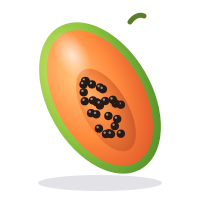 | Papaya | ଅମୃତଭଣ୍ଡା | amrutabhandaa | |
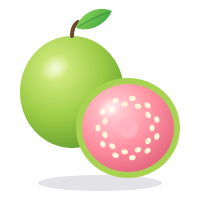 | Guava | ପିଜୁଳି | pijuli | |
 | Pineapple | ସପୁରୀ | sapuree | |
 | Strawberry | ଷ୍ଟ୍ରବେରି | straberi | |
 | Cherry | ଚେରି | cheri | |
 | Lemon | ଲେମ୍ବୁ | lembu | |
 | Coconut | ନଡ଼ିଆ | nariaa | |
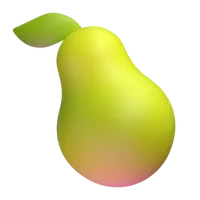 | Pear | ନାସପାତି | naasapaati | |
 | Pomegranate | ଡାଳିମ୍ବ | daalimba | |
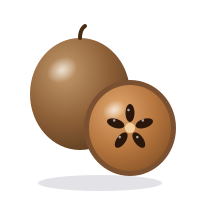 | Sapodilla | ସପେଟା | sapetaa | |
 | Peach | ପିଚ୍ | pich | |
 | Muskmelon | ଖରଭୁଜ | kharabhuja | |
 | Kiwi | କିୱି | kiwi | |
 | Green Apple | ସବୁଜ ସେଓ | sabuja seo | |
 | Blueberry | ବ୍ଲୁବେରି | bluberi | |
 | Lime | କାଗଜି ଲେମ୍ବୁ | kaagaji lembu | |
 | Jackfruit | ପଣସ | panasa | |
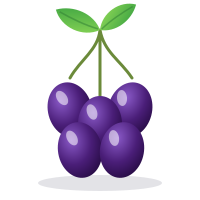 | Java Plum | ଜାମୁକୋଳି | jaamukoli | |
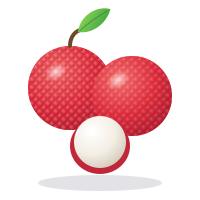 | Lychee | ଲିଚୁ | lichu | |
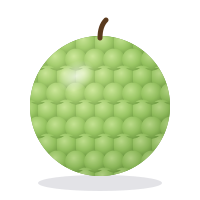 | Custard Apple | ଆତ | aata | |
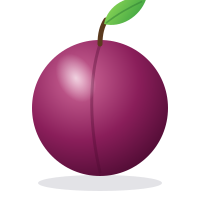 | Plum | ପ୍ଲମ୍ | plam | |
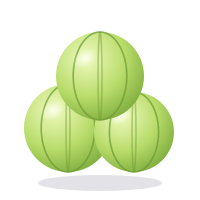 | Indian Gooseberry | ଅଁଳା | anlaa | |
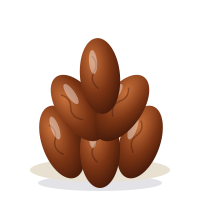 | Dates | ଖଜୁରୀ | khajuree | |
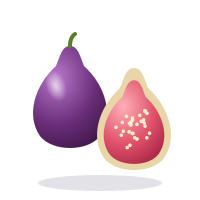 | Fig | ଡିମିରି | dimiri |
Fruits name in Odia is a sweet place to start a home language, because children eat the words every day. This page has 30 fruits, each with a bright picture, the Odia word and the English. Some names surprise even grown-ups: papaya is ଅମୃତଭଣ୍ଡା (amrutabhandaa), "a pot of nectar", and pineapple is ସପୁରୀ. Tap a fruit to learn it, play Find it when Golu asks "where is the mango?", or turn the cards over in Memory. The full list with pictures, Odia, English and a "say it" guide is in the word list above.
A note on hearing Odia fruit names
We do not have recorded Odia audio; no Odia voice is available from our recorded voice service. The Odia name is spoken by your device's own voice if it has an Odia (Oriya) voice installed. Many Android phones do, through Google or Samsung speech settings; some phones, most iPhones and many computers do not. If yours doesn't, the English (mango, banana) is still spoken, and the Odia script plus the romanised guide are on screen so you can say ଆମ୍ବ ("aamba") yourself.
Fruits in Odia by season
Children remember words tied to real moments. This table groups fruits from the game by when you usually find them in Odisha's markets.
| Season | Fruits (Odia · English) | Home idea |
|---|---|---|
| Summer (ଖରାଦିନ) | ଆମ୍ବ mango, ପଣସ jackfruit, ତରଭୁଜ watermelon, ଖରଭୁଜ muskmelon, ଲିଚୁ lychee, ଜାମୁକୋଳି jamun | Eat mango after pakhala and name it |
| Rains (ବର୍ଷାଦିନ) | ଅମୃତଭଣ୍ଡା papaya, ପିଜୁଳି guava, ଆତ custard apple, ଡାଳିମ୍ବ pomegranate | Count guava seeds together |
| Winter (ଶୀତଦିନ) | କମଳା orange, ଅଁଳା amla, ସେଓ apple, ଅଙ୍ଗୁର grapes, ଷ୍ଟ୍ରବେରି strawberry | Peel an orange and count segments |
| All year | କଦଳୀ banana, ନଡ଼ିଆ coconut, ଲେମ୍ବୁ lemon, ସପେଟା sapota | Name the fruit in every lunchbox |
Fruits in Odia festivals and food
- Raja Parba: in mid-June, girls swing on decorated swings and families share mangoes, jackfruit and pitha. A good week to learn ଆମ୍ବ and ପଣସ.
- Puja offerings: କଦଳୀ (banana) and ନଡ଼ିଆ (coconut) appear at almost every puja, from Durga Puja pandals to the home altar. Let your child hand you the banana and say its name.
- Kartika Purnima: for Boita Bandana, tiny boats made of banana stem or paper float at dawn, remembering the old sea traders of Kalinga. Ask your child which fruit tree gives the boat.
- Pakhala Dibasa: on 20 March, Odia families celebrate pakhala, the cool fermented rice. It is eaten with a lemon wedge (ଲେମ୍ବୁ) and, in summer, a raw mango.
Teaching fruit names in Odia, by age
- Age 2-3: three fruits you have at home, such as banana, mango and apple. Hold the real fruit, say the Odia word, let your child touch and smell it.
- Age 3-4: ten fruits. Play Find it with two or three pictures. Sort fruit by colour; colours in Odia helps: ହଳଦିଆ କଦଳୀ, a yellow banana.
- Age 4-5: the market game. At the fruit stall, your child names what they see in Odia before you buy.
- Age 5-6: first letters. ଆ for ଆମ୍ବ, କ for କଦଳୀ, ତ for ତରଭୁଜ, just as in the Odia alphabet game.
Fussy eater? Fruit words can help. A child who has "met" ପିଜୁଳି in a game is often curious to taste a slice. No pressure, just an offer.
ଫଳ ଖାଇବା, ଫଳ ଶିଖିବା
ଖରାଦିନେ ଆମ୍ବ ଆଉ ପଣସ, ଶୀତଦିନେ କମଳା ଆଉ ଅଁଳା। ପିଲାଙ୍କୁ ଫଳ ଦେବା ବେଳେ ତାହାର ଓଡ଼ିଆ ନାଁ କୁହନ୍ତୁ। ପିଲା ଖାଉ ଖାଉ ଶିଖିଯିବ।
ବଜାରକୁ ଗଲେ ପିଲାକୁ ପଚାରନ୍ତୁ, "ଏଇଟା କି ଫଳ?" ଅମୃତଭଣ୍ଡା, ପିଜୁଳି, ସପୁରୀ ଭଳି ନାଁ ଶୁଣି ପିଲାମାନେ ବହୁତ ମଜା ପାଆନ୍ତି।
ଫୋନରେ ଓଡ଼ିଆ ସ୍ୱର ନ ଥିଲେ ଚିନ୍ତା କରନ୍ତୁ ନାହିଁ। ଛବି ତଳେ ଲେଖାଥିବା ଶବ୍ଦଟି ଆପଣ ପଢ଼ି ଶୁଣାନ୍ତୁ।
Odia fruit words far from home
If you live in Bengaluru, Hyderabad, Dubai or New Jersey, some fruits like ଜାମୁକୋଳି (jamun) or ଆତ (custard apple) may be rare in your shop. The picture is still worth learning, and it is a lovely link to grandparents: ask them to describe the jamun tree from their village on your next video call. Imported kiwi and blueberries are in the game too, so your child can name what is really in the fruit bowl. Children who know the fruits name in English and Hindi can now add Odia; the vegetables in Odia page is the natural next step.
Keep sessions to five or ten minutes and play together. For toddlers under 2, real fruit on a plate beats any screen. To print the fruit chart, use your browser's print option; there is no PDF file. If your child mixes ଆମ୍ବ and "mango" in one sentence, smile: that is how bilingual children grow.
How to use this page at home
Say it, then find it
Play for a few minutes, then look for the same thing away from the screen: odia words on the shelf, in the kitchen, on the way to school. A child learns a word properly when they meet it twice, once on the screen and once in their hand.
Ten minutes is enough
Short and happy beats long and tired. Stop while your child still wants more, and come back tomorrow: the same page on five short days teaches far more than one long sitting. Nothing here is scored, so there is no reason to push.
Use both languages
Tap the language button at the top to hear the words in your home language first and the second language after. Hearing the same picture named in two languages is one of the few things research agrees builds attention as well as vocabulary.